

The Tangier Travel Guide
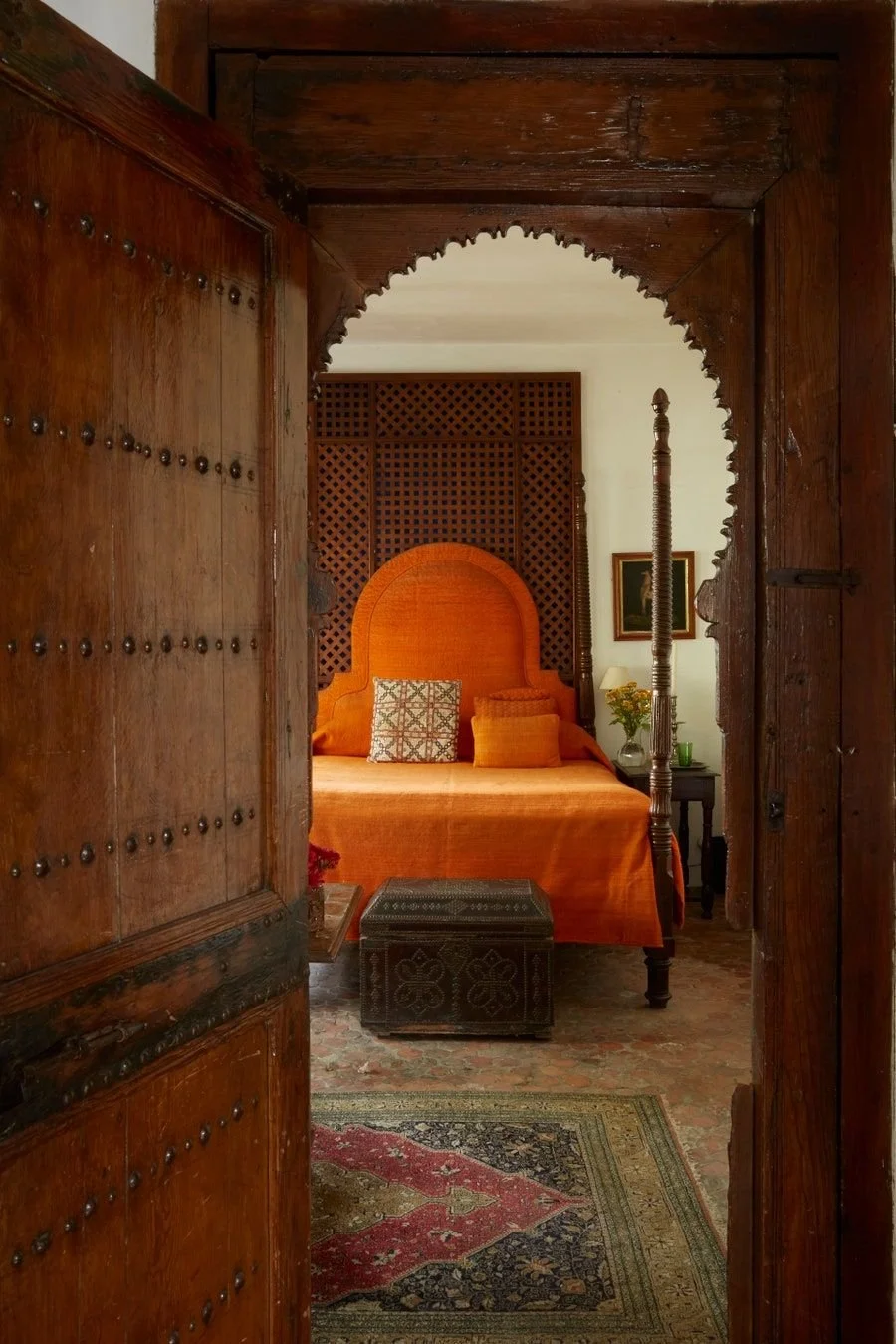
Tangier, a city that resists
There are places that impress at first glance, and then there are places that reveal themselves slowly. Tangier belongs to the latter. This Tangier travel guide is less about checklists and more about atmosphere — the rhythms, interiors and rituals that define the city beyond tourism.
Set between continents, where the Mediterranean meets the Atlantic, the city carries a layered identity shaped by heritage, movement and exchange. Moorish, European, African, but never fully one or the other. Tangier resists simplification, and it is precisely within that tension that its depth emerges.
Despite its long history of attracting artists, writers and outsiders — from Henri Matisse to Paul Bowles — the city remains unexpectedly raw. It does not perform for the steady flow of visitors arriving daily from southern Spain, and that, more than anything, feels intentional.
There is no curated version of Tangier. The medina unfolds as it is: textured, imperfect, and alive. We were surprised by the early hours of the morning, when the Kasbah holds a kind of silence that feels almost disorienting, as if the city had momentarily withdrawn. For a brief moment, you feel alone within it. Then, slowly, the streets fill, and what seemed like absence reveals itself as a simple and much needed pause before life happens.
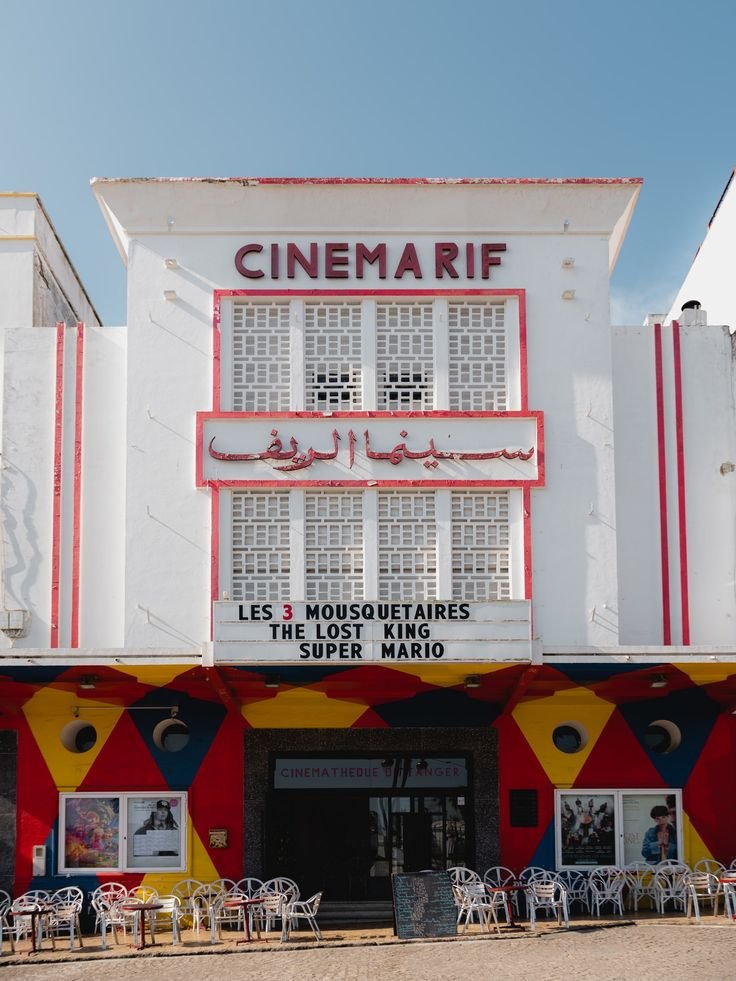
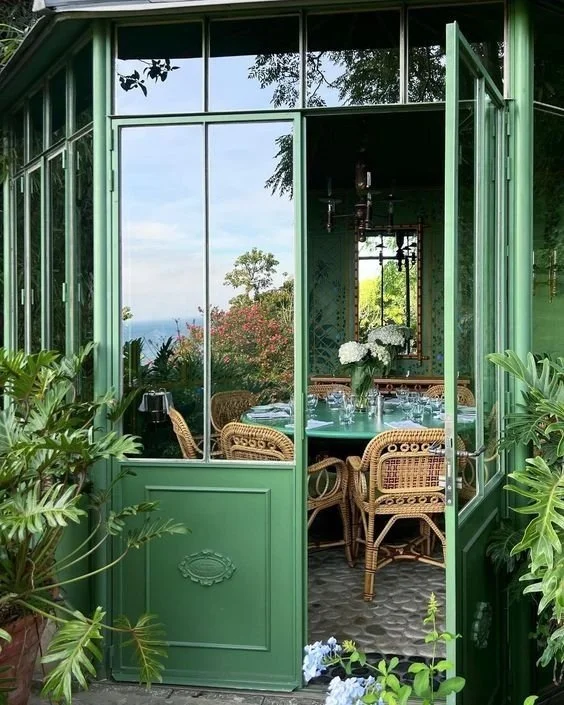
Some of the most defining moments in Tangier are not spatial, but human.
Our first taxi ride unfolded into a long, unexpected conversation, carried in a shared language somewhere between Portuguese and Spanish. Stories moved back and forth, about work, life, and the invisible threads that have long connected Morocco and Portugal.
By the end of the journey, we wished each other luck with a sincerity that felt disarming in its simplicity. It is a kind of generosity you encounter throughout the city, leaving the subtle impression of having been touched by something almost symbolic — like carrying a small, invisible amulet.
Material Language and Spatial Identity
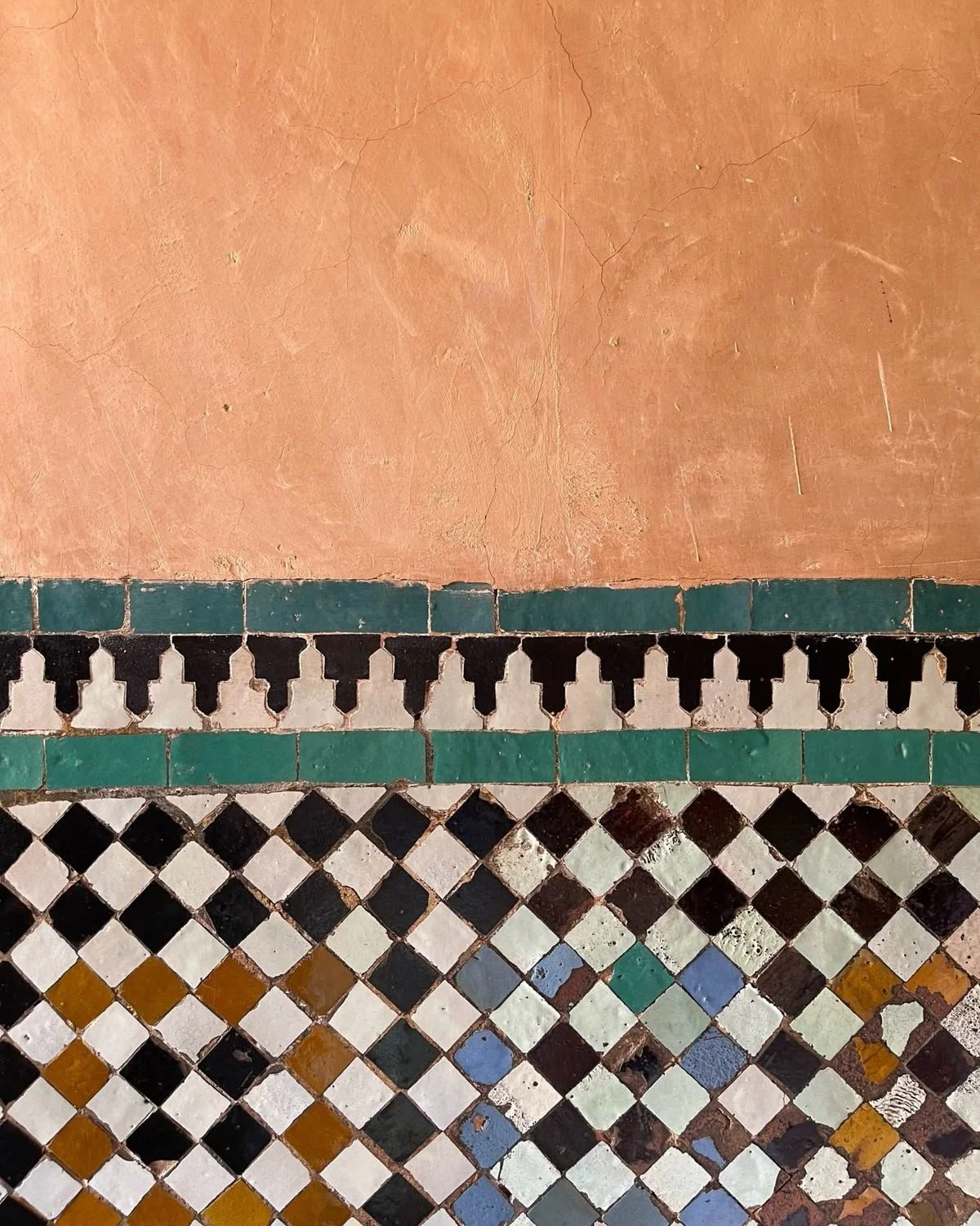
In Tangier, identity exists in a way that feels inherent rather than constructed. The whitewashed walls, zellij tiles, worn wood and aged plaster, and layered Moroccan craftsmanship are a few examples of that. Nothing feels applied or decorative. Everything feels lived, continuous, and quietly intentional, which is precisely what we try to bring to our Zajal projects.
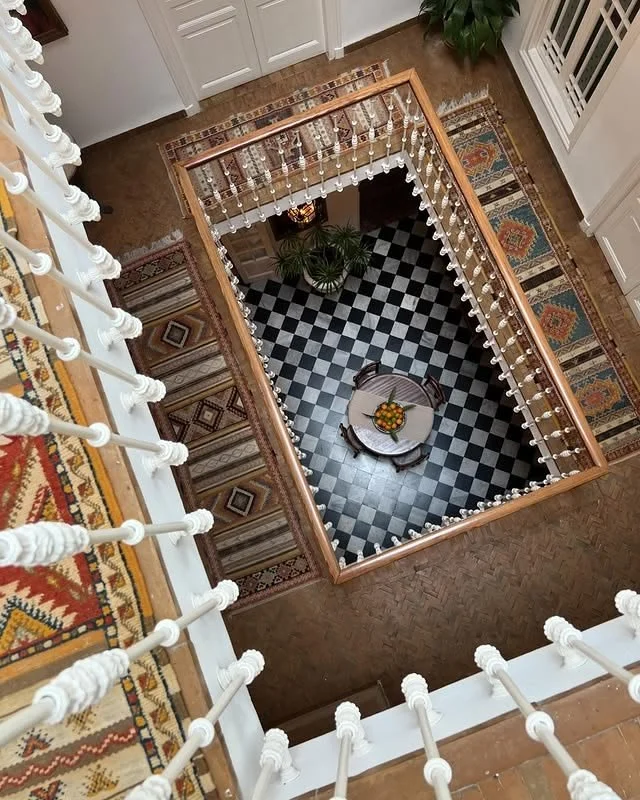
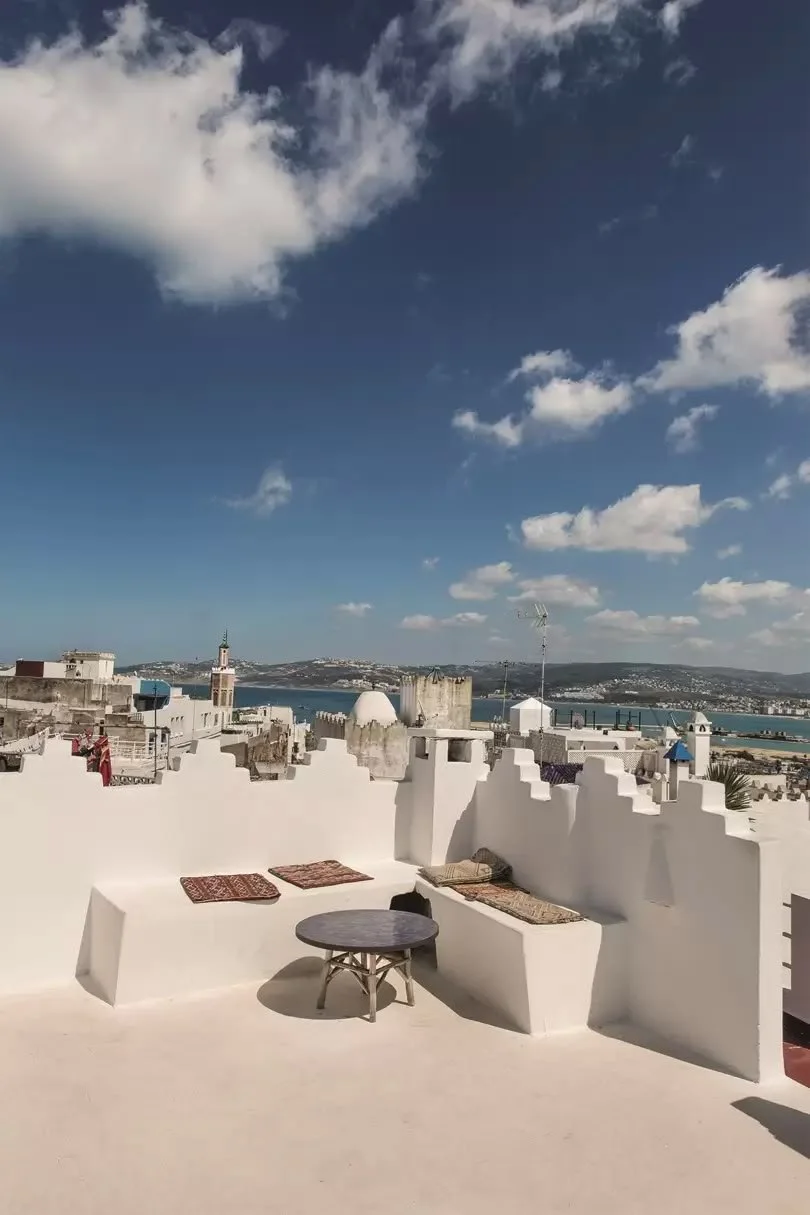
A guide to Tangier
Beyond its visual language, Tangier is experienced through a slow rhythm that unfolds across the day. Mornings begin quietly, often overlooking the sea at Café Hafa, where time seems suspended between conversation and silence. The immersion of a hammam invites a different pace altogether, one defined by heat, texture and pause, while the daily life of the medina moves with an almost choreographed continuity.
These are not simply activities to be consumed, but rituals that shape the experience of the city itself.
For those who look closely, Tangier reveals itself as a quiet yet deeply rooted design landscape. It is not defined by overt statements or curated showrooms, but by a more subtle accumulation of objects, materials and histories.
From the handwoven rugs of Bleu de Fes to the layered antiques of Boutique Majid, the city offers pieces that carry provenance rather than trend. Across the Kasbah, independent spaces and small galleries exist alongside local traditions, creating an aesthetic that feels both grounded in place and unexpectedly global.
This sensibility extends beyond objects into spaces that hold memory and cultural exchange. Librairie des Colonnes — long frequented by writers such as Paul Bowles, William S. Burroughs and Samuel Beckett — remains a quiet testament to the city’s intellectual and creative undercurrent. Another bookshop that caught our eye was Les Insolites.
In a different register, Villa Mabrouka, once a refuge for Yves Saint Laurent, remains one of Tangier’s most iconic boutique hotels and offers a more intimate and luxurious way of inhabiting the city, where architecture, landscape and atmosphere are experienced as a continuous whole.
This balance between the local and the cosmopolitan, the raw and the refined, defines Tangier as a source of reference for interior design, where identity is expressed through nuance rather than loud statement.
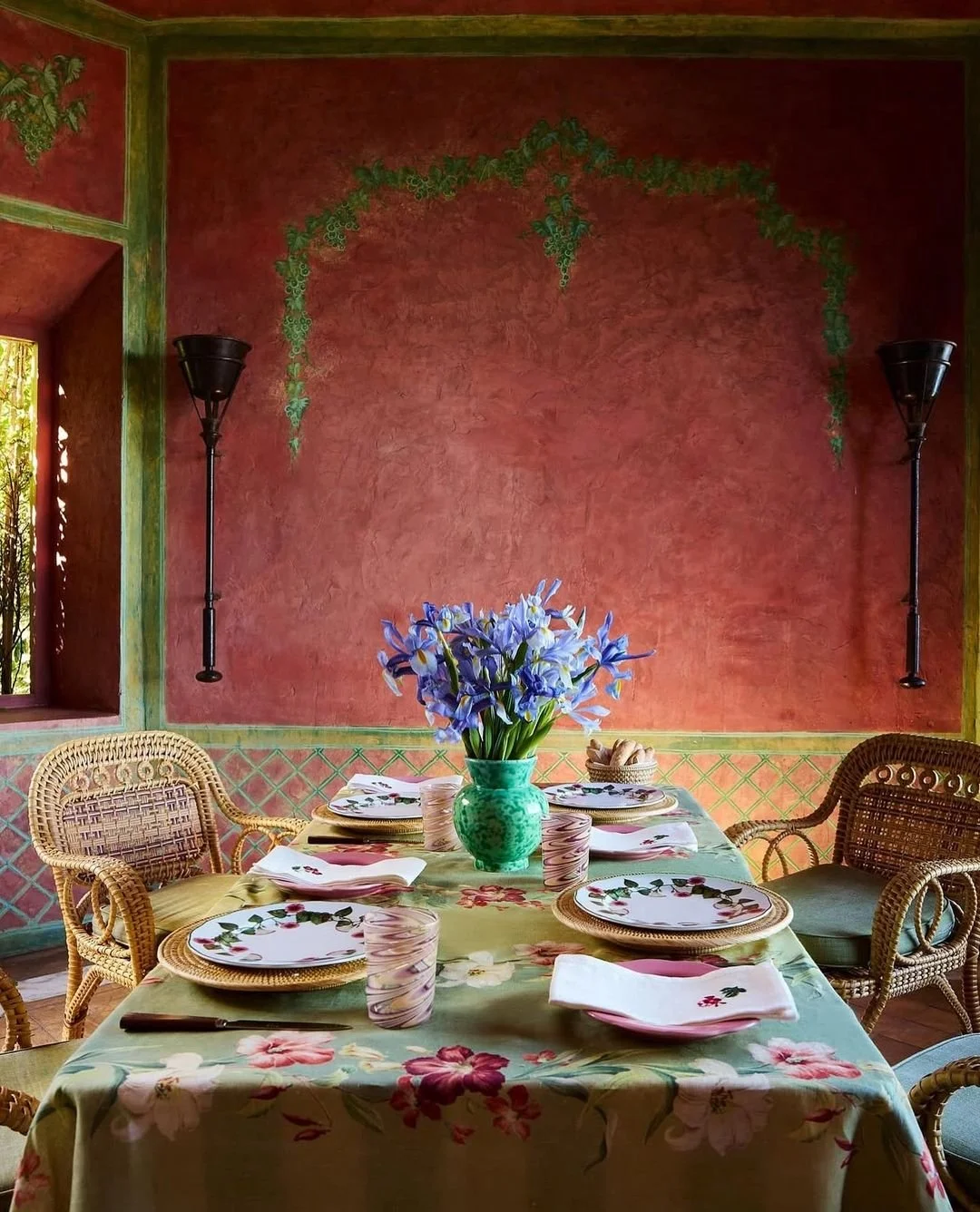
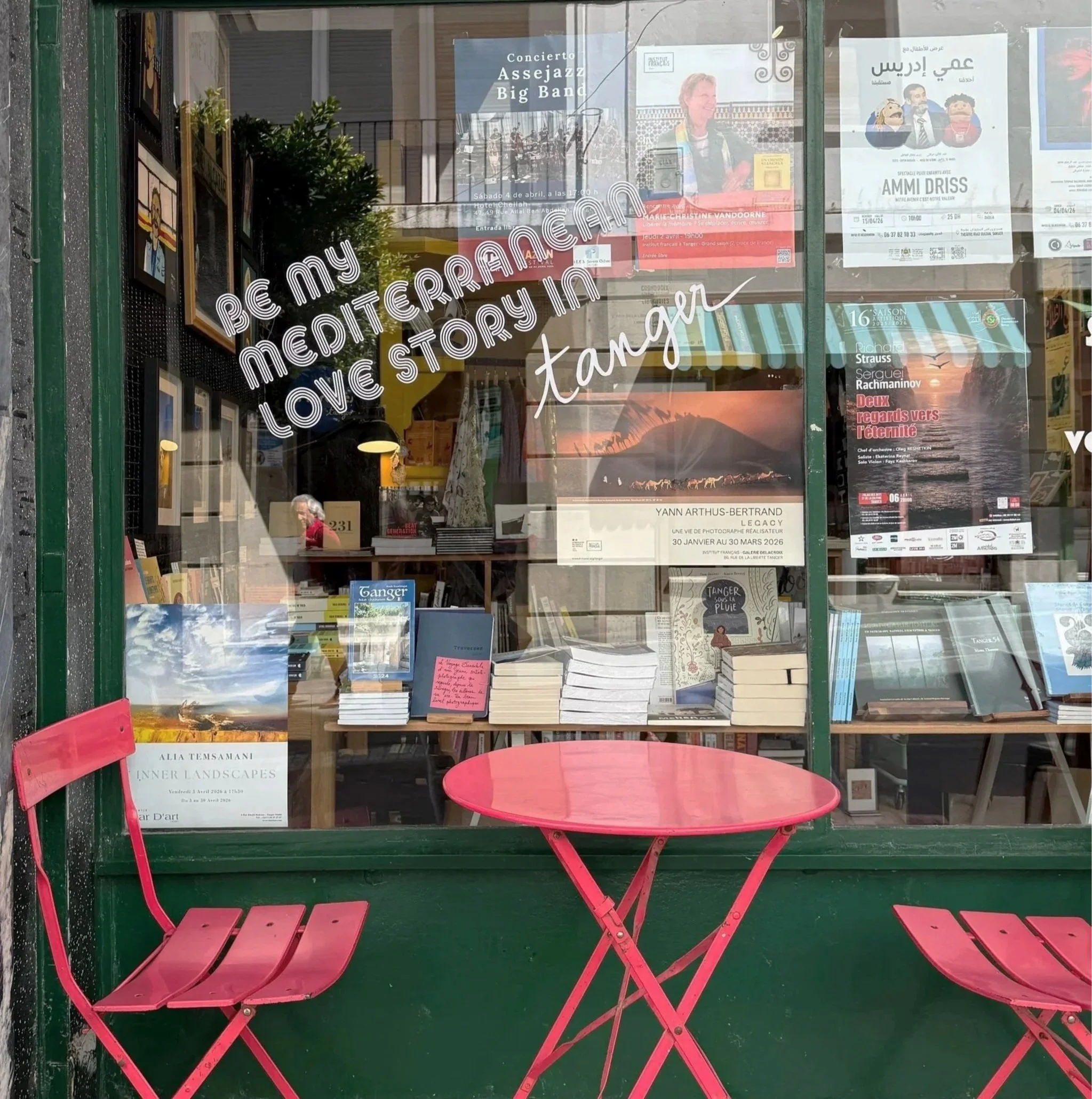
A lesson from Tangier
Tangier isn’t interested in answers; it offers perspective. At Zajal, we believe that a space should be a tension between presence and absence, between expression and silence. Identity, materiality and narrative are what give it meaning over time.
And that’s what you found at Tangier. The city reveals that identity cannot be imposed, only uncovered. That atmosphere is not the result of excess. And that the most memorable spaces are those that allow for encounter — spaces shaped by rhythm, by use, and by a certain degree of unpredictability.
Tangier is a reminder that the most powerful environments are those that hold space for life to unfold naturally within them; and perhaps that is why it continues to inspire artists, writers, designers and those drawn to a more intentional Mediterranean way of living.