

The Path to Zajal
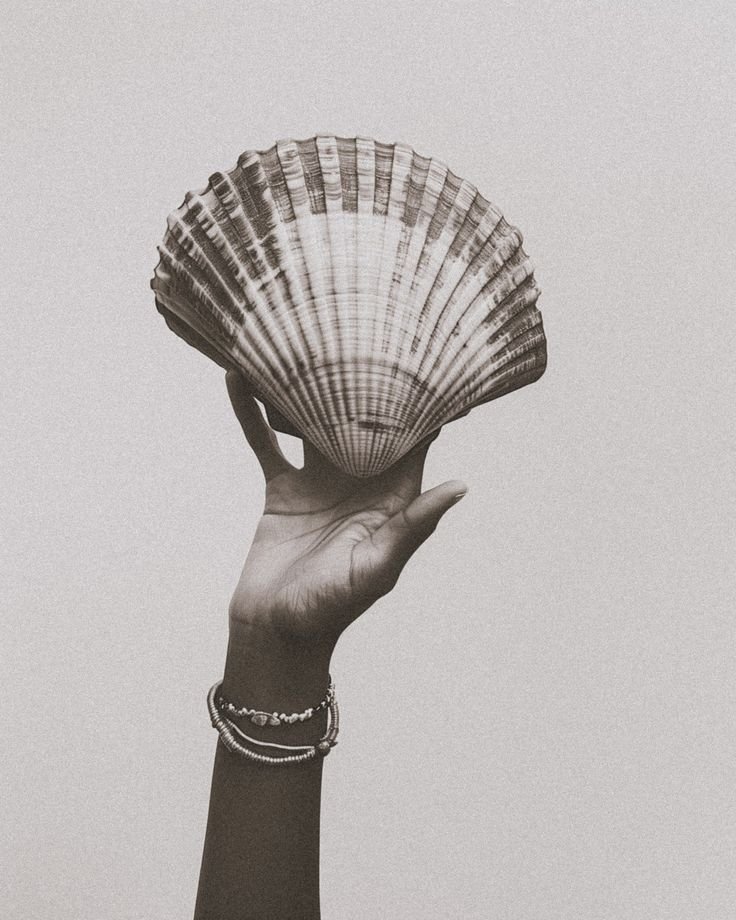
Create. Its earliest meaning was not to produce, but to grow. That has always felt accurate. To create is not simply to make something new. It is to expand life outward and to give form to instinct.
Looking back, the path to Zajal was never linear. It emerged through two different trajectories that, for years, seemed unrelated.
One was shaped by narrative, identity and creative expression. The other by entrepreneurship, business and a longstanding fascination with the built environment.
Only later would they reveal themselves as part of the same story.
On narrative
My first language of creation was narrative.
I spent years studying Literature, immersed in texts, structure, symbolism, and rhythm. I wrote essays, analysing meaning, and following hidden systems. Midway through a PhD, I realised that while I loved the intellectual world, I needed a wider horizon for expression, less certainty, and more room to move without knowing exactly where I would arrive.
So I paused that path.
I began writing my first novel, Lola, and entered the world of Brand & Communications. At first glance, it seemed like a different discipline. In reality, it was another study of desire, perception and identity.
Branding, at its best, is clarity. It is understanding what something truly is, what makes it distinct, and how that truth is felt by others.
For nearly a decade, I worked across fashion and technology, within both intimate teams and global organisations. I learned how stories shape perception, how identity creates value, and how often the most meaningful ideas are lost when they lack coherence.
At the time, I did not realise those lessons would later become fundamental to the way I approached space.
On building
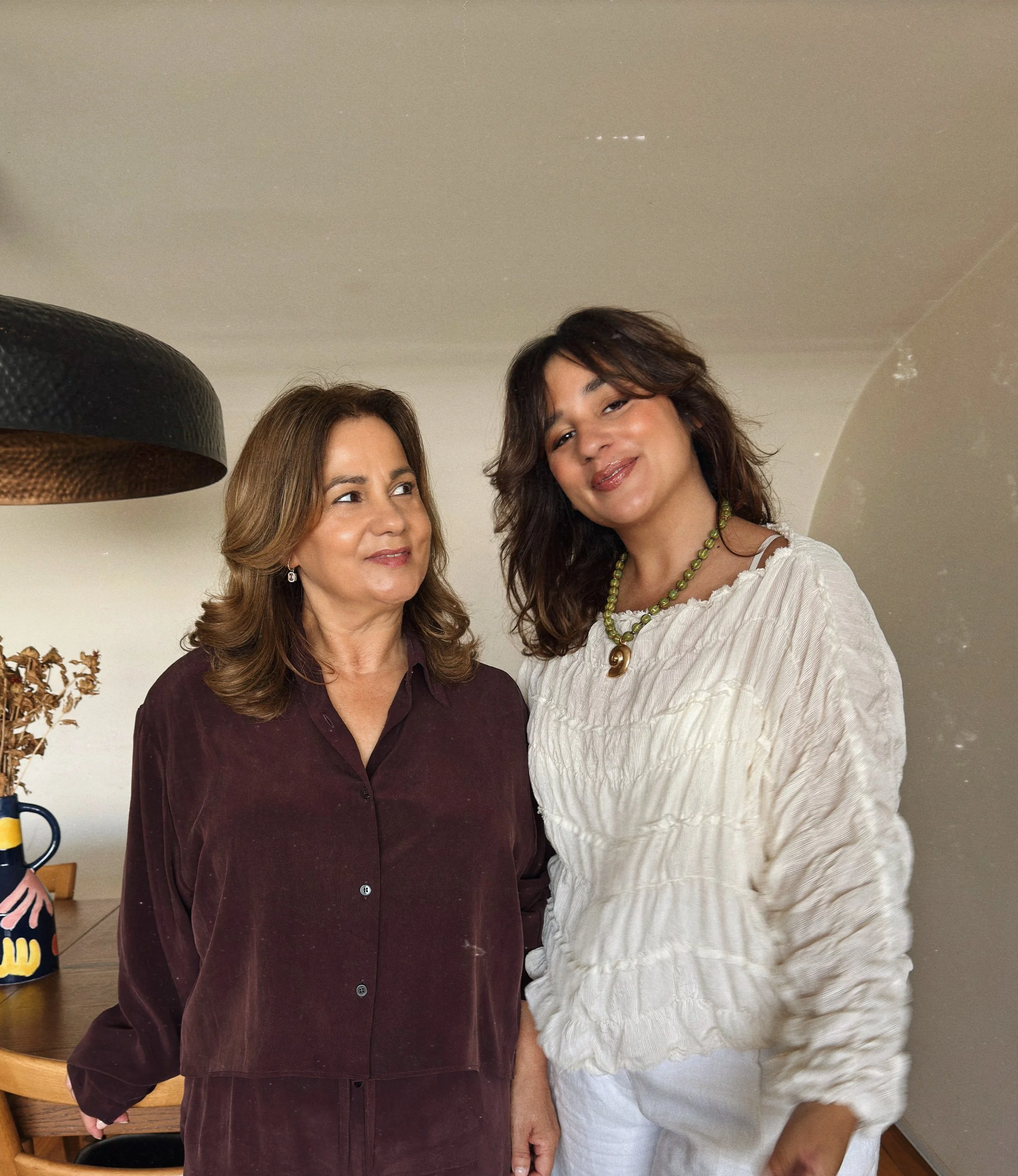
Alongside my own path, my mother was building another.
For more than three decades, Virgínia Vieira developed and managed businesses within the textile industry, working across production, operations, strategy and international markets.
Yet her interests extended beyond business itself. She was always drawn to the world of real estate, investment and development. Not simply as assets, but as opportunities to create value, transform places and imagine what they could become.
Where my attention gravitated toward identity and atmosphere, hers moved toward opportunity, structure and execution.
Different languages, perhaps. But not different instincts.
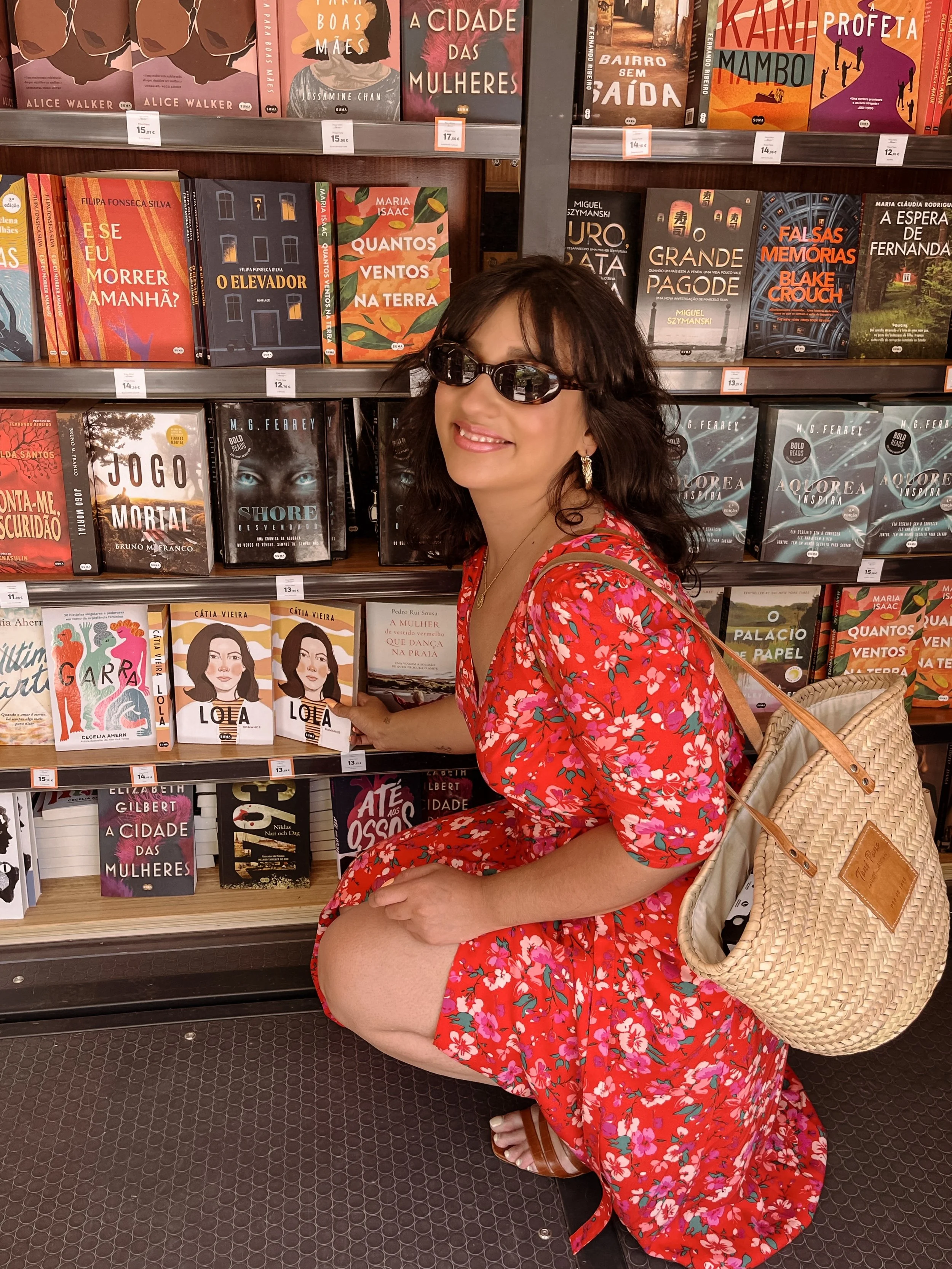
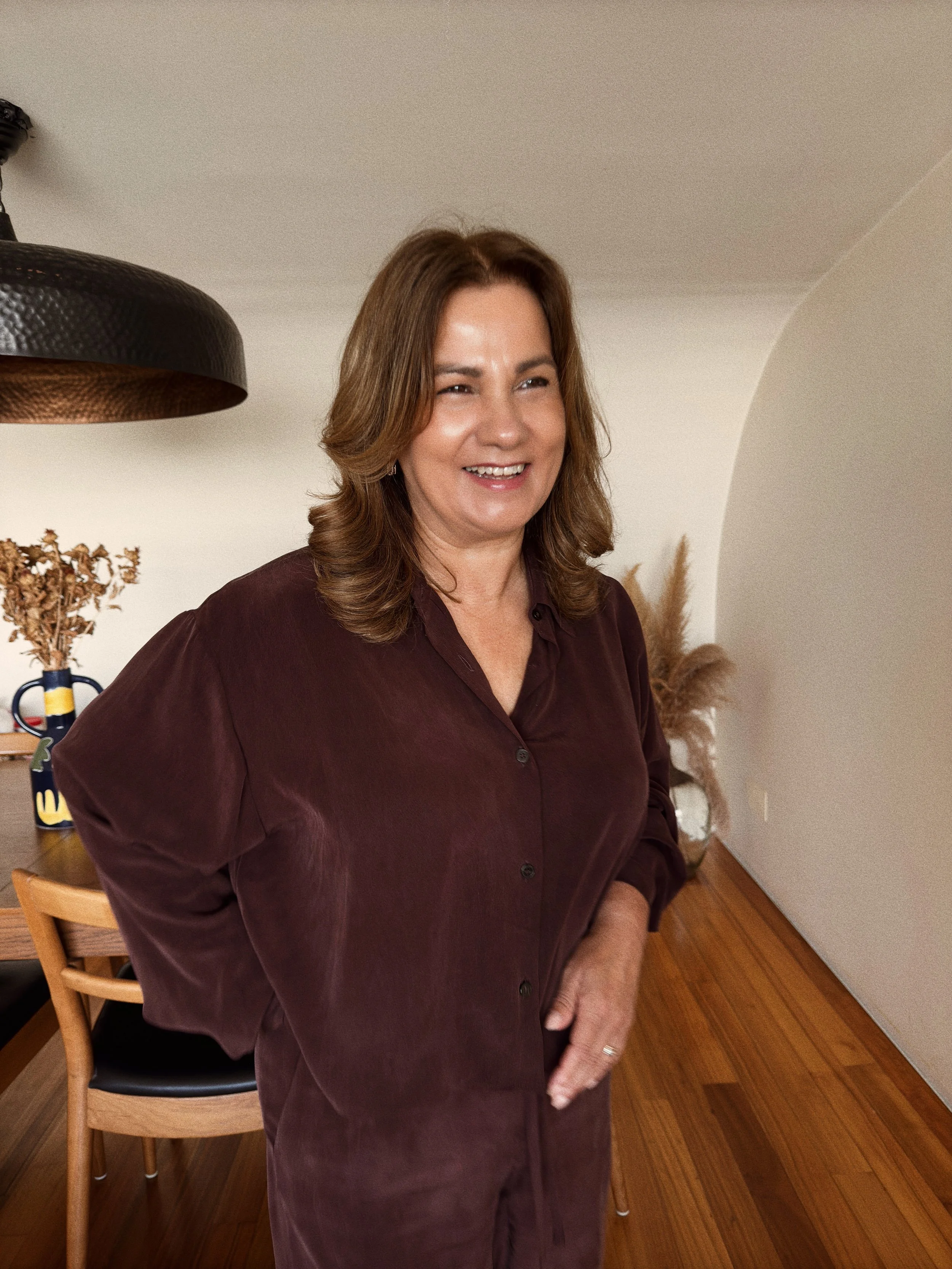
On space
Around that same time, I moved into my first apartment. The experience of shaping my own home changed me. I became fascinated by the emotional intelligence of interiors.
When I searched for furniture, I often found versions that were close, but not true. So I began designing my own pieces. With imperfect sketches, material samples, references and conversations with Portuguese artisans, objects slowly began to take shape.
That is how the Paloma shelves were born. Created first to house my own books, they travelled far. They were shared internationally, reached millions of views, and were featured by design publications for their unconventional shape.
On alignement
After nearly a decade in Brand & Comms, I began to feel a growing dissonance. So many numbers and metrics, so little meaning and purpose.
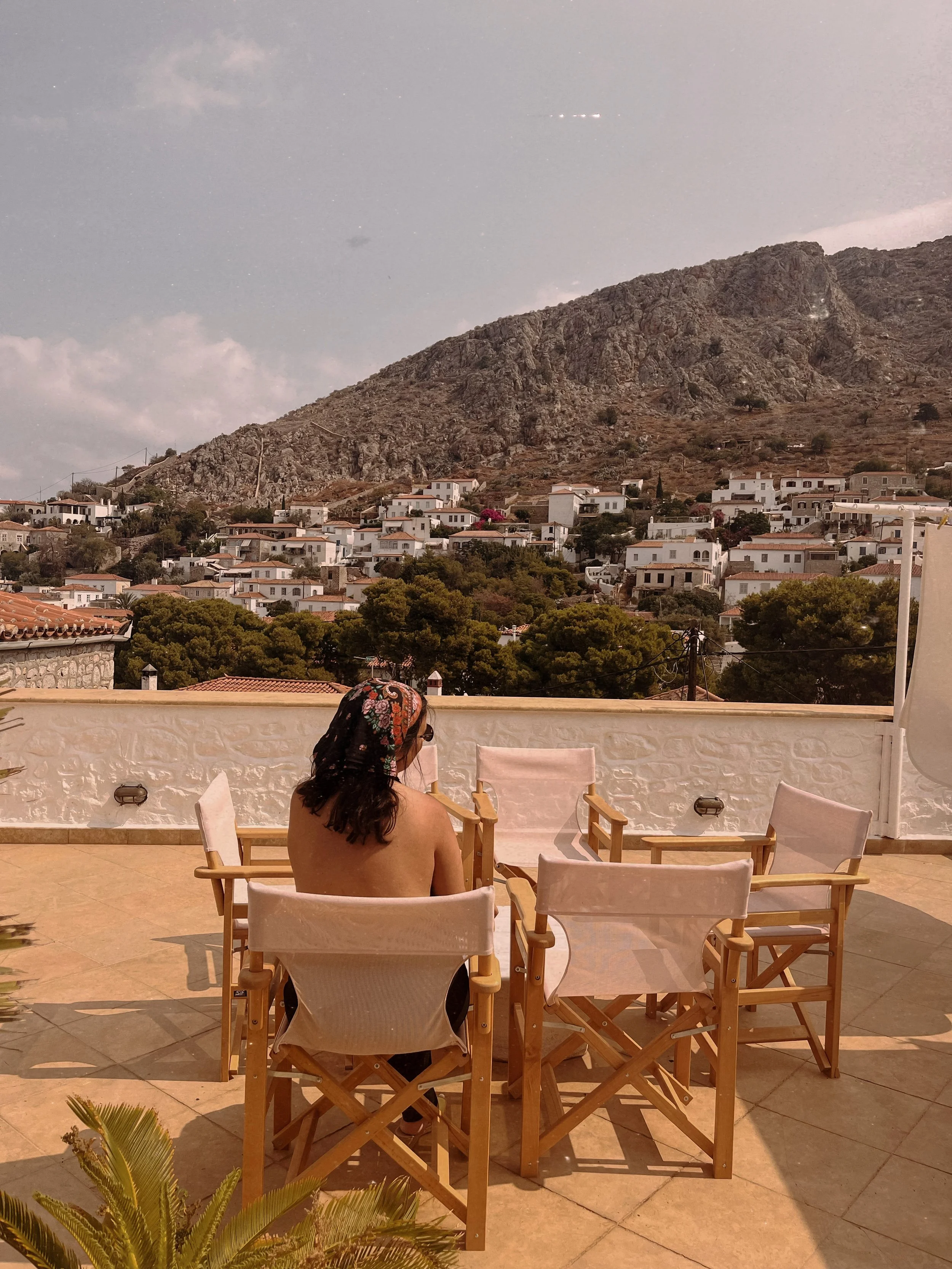
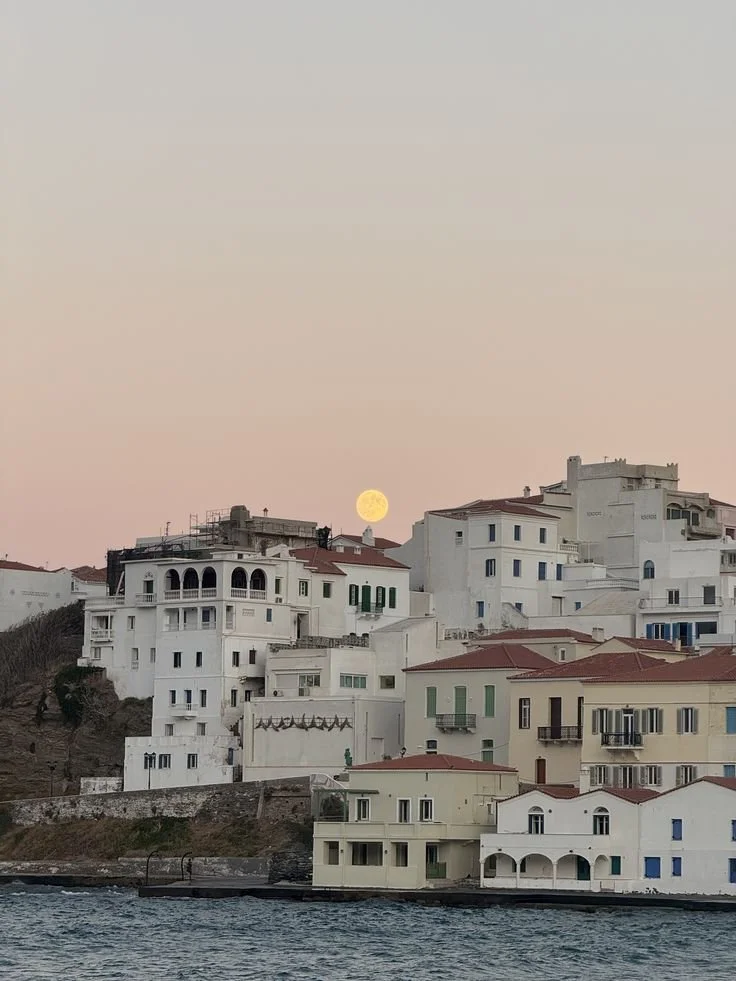
I would find myself traveling, asking quieter questions.
What makes a place unforgettable? Why does one room feel anonymous while another feels alive?
The answer was never trend or expense. It was authorship: beauty with context, precision with soul, and environments that know what they are. I realised the moments that moved me most were never abstract.
I also realised that when I designed my own home, I had felt something rare and immediate: alignment. A sense that space could support identity rather than mute it.
I wanted to bring that feeling to others. So I left my career and began again.
On convergence
After stepping away from my previous career, I noticed where I kept returning instinctively: interior spaces.
The next step arrived naturally. I enrolled at the University of the Arts London and later at Istituto Marangoni in Milan. Alongside it, I worked with ceramics — learning through the hand what proportion, colour, texture and imperfection can teach in ways theory cannot.
At the same time, conversations between my mother and I increasingly returned to the same subjects: homes, properties, investment, development, place-making and the lives that unfold within them.
We both believed that value extends beyond what is immediately visible. That a home is more than architecture and a property is more than an asset — that identity and atmosphere matters.
Zajal emerged from that intersection.
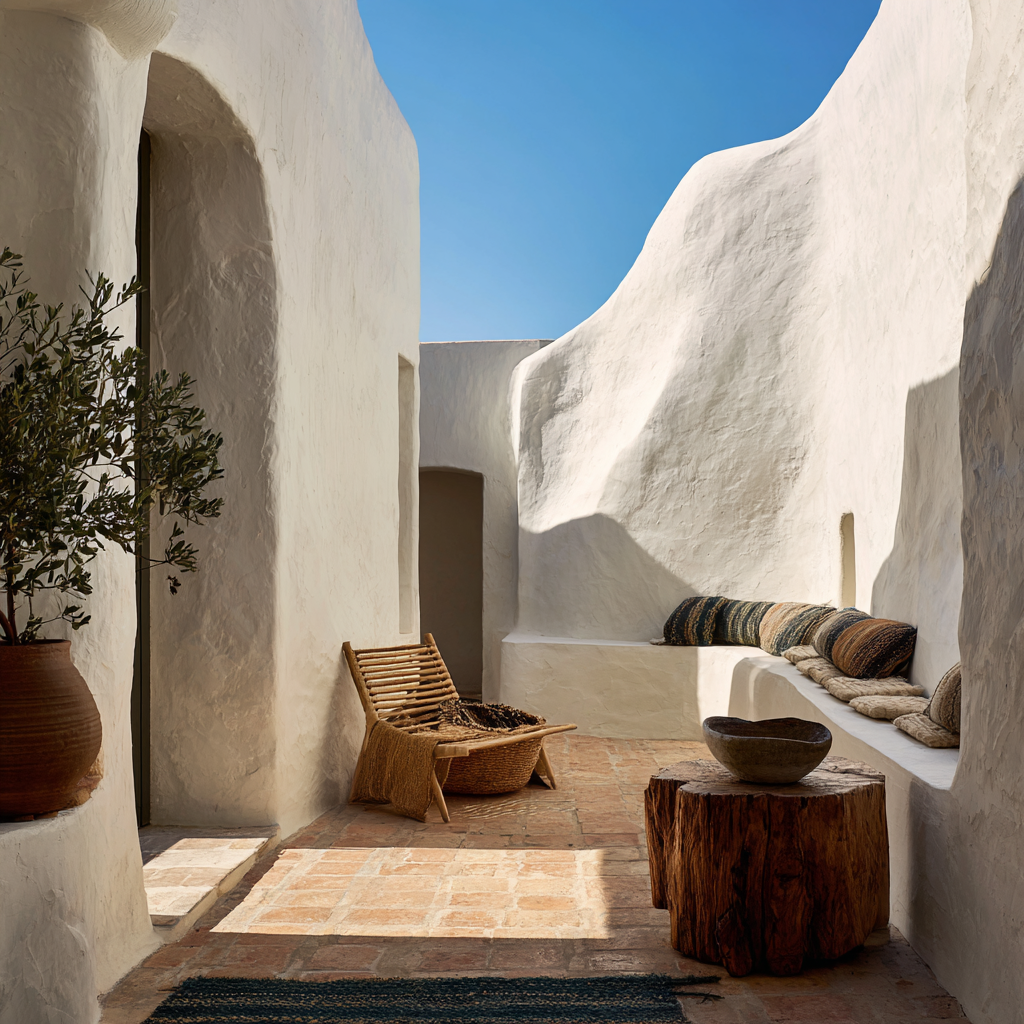
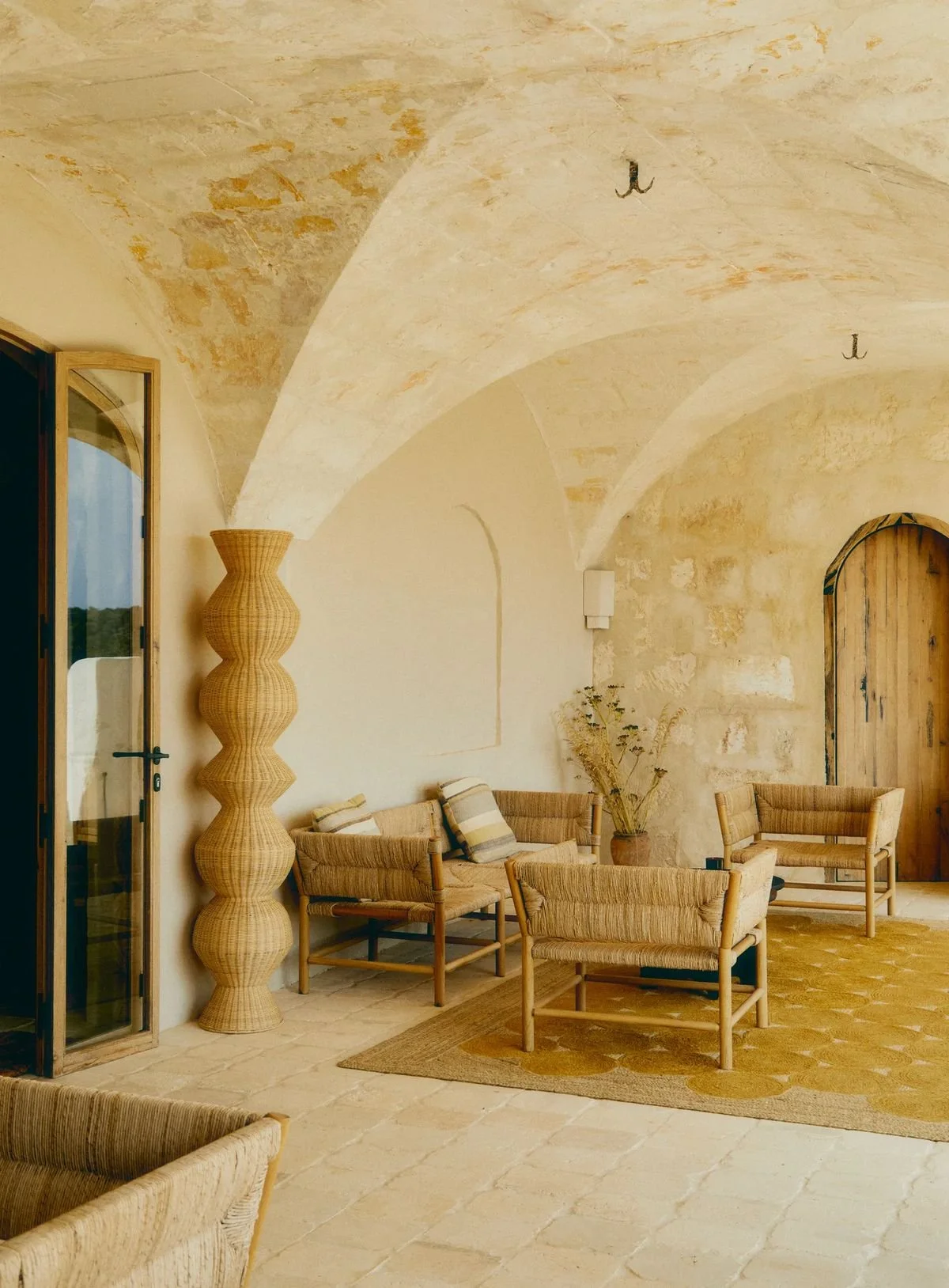
On Zajal
The word refers to a traditional form of Arabic-Andalusian oral poetry once present across the Iberian Peninsula, the name evokes expression, spontaneity, beauty and cultural exchange. That meaning mattered to us. Zajal is not conceived as a trend business or a fixed style. It is a practice built on dialogue: between person and place, memory and modernity, utility and beauty, strategy and atmosphere, mother and daughter.
Today, Zajal moves across interior design, property positioning, objects and creative direction. Sometimes that means shaping a home with greater depth and presence. Sometimes it means repositioning a property so it can be understood and desired.
“The path to Zajal was never sudden. It was cumulative, intuitive, authored over time. And perhaps that is the most honest kind of arrival: when something does not feel invented, but inevitable.”