

Mediterranean Interiors and the Quiet Language of Home
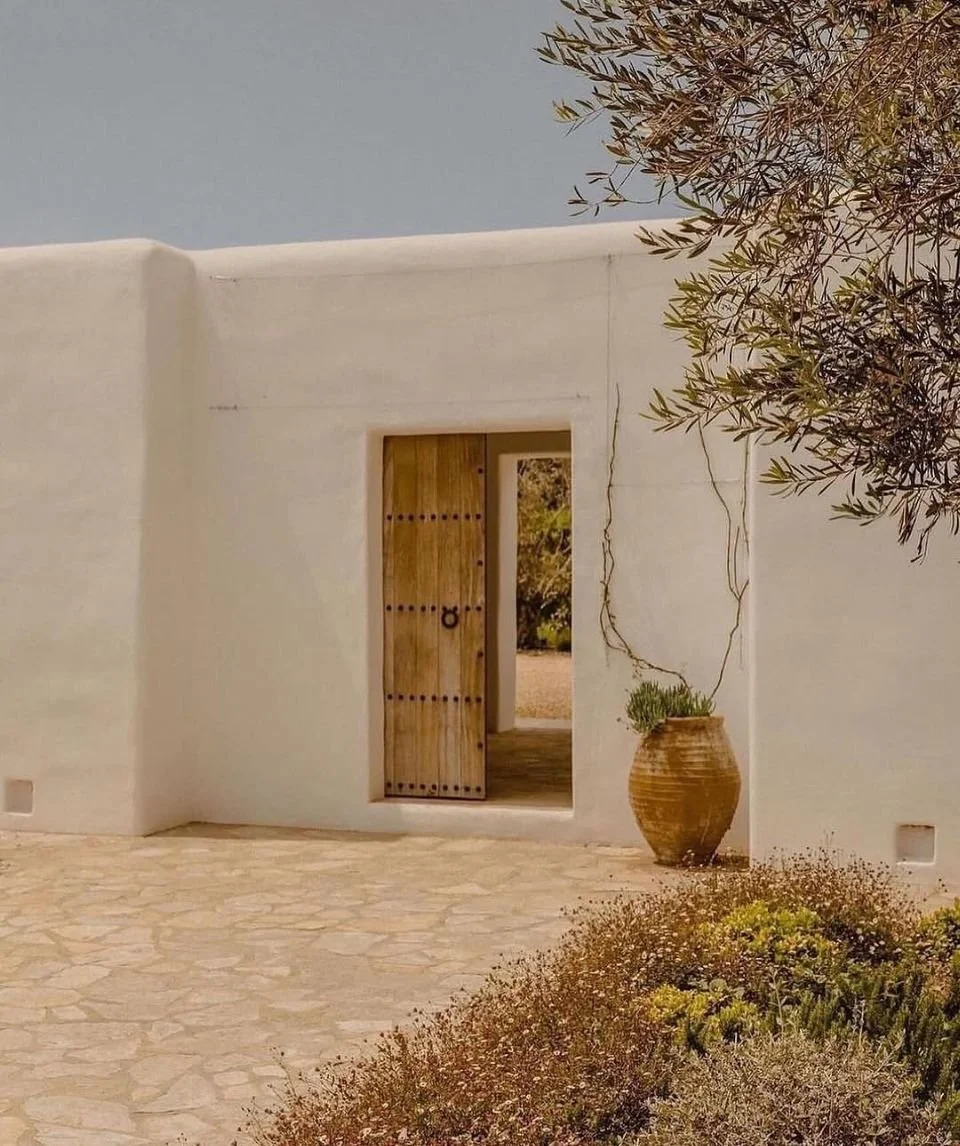
Finding the reason why I have always been drawn to Mediterranean interiors is easy. It begins with personal memory.
Growing up, my parents returned every Summer to Southern Spain, long before many of those coastal villages became widely known.
We would spend slow days in small towns along Costa del Sol, where time seemed to stretch naturally between the sea, long lunches and late evenings filled with warm air and sound. I still remember waking up to the repetitive song of cicadas hidden somewhere between the trees, and the dry herbal scent released by Mediterranean pines and sun-heated earth. That atmosphere stayed with me long after the holidays ended.
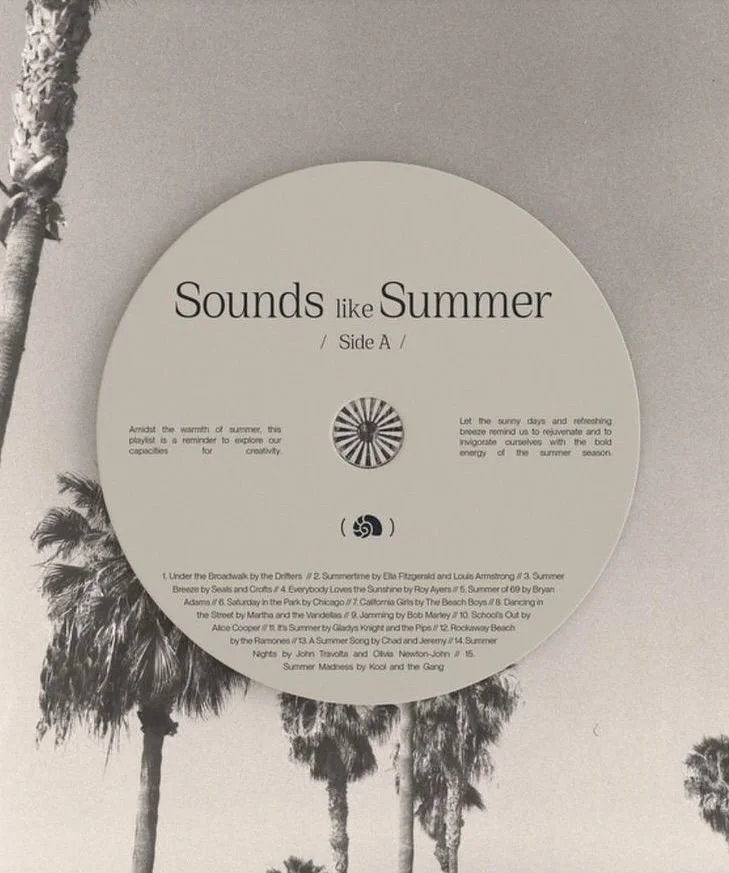
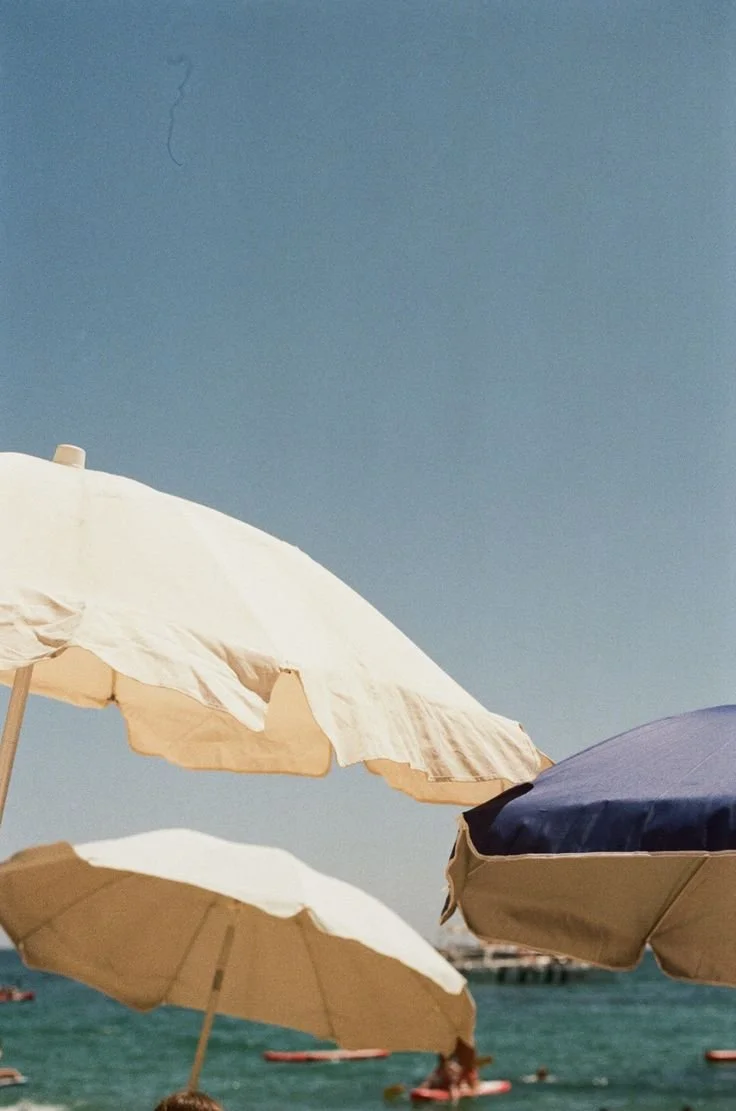
For me, the Mediterranean was never simply an aesthetic. It was the first time I understood how deeply space can affect emotion.
The warmth of stone under the sun, linen moving with the wind, shaded terraces, imperfect walls, and woven fibres created a feeling of calm that felt instinctive rather than designed. Even today, when I think about what home should feel like, my mind returns there first.
As I grew older, I realised I was not searching for distance when travelling. I was searching for recognition. That’s why I kept returning to Southern Europe, to coastal Portugal, to Spain, to Morocco looking for places where materiality still feels connected to landscape.
That influence inevitably shaped the way I understand interior design today.
When people think about Mediterranean interiors, they often imagine something overly literal: bright blue accents, nautical references or highly decorative rusticity. But the Mediterranean aesthetic I connect with is quieter and far more sensorial than that.
It relies on a palette of softened neutrals: limestone tones, chalky whites, sun-washed earth colours, warm browns and faded natural fibres. Yet what keeps them alive is the subtle tension within them.
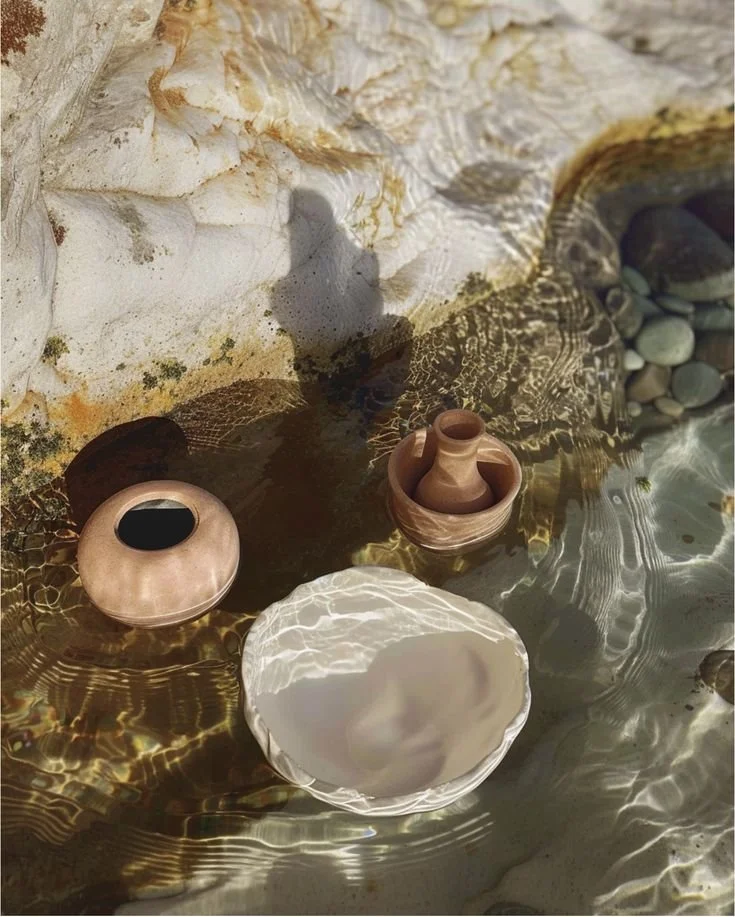
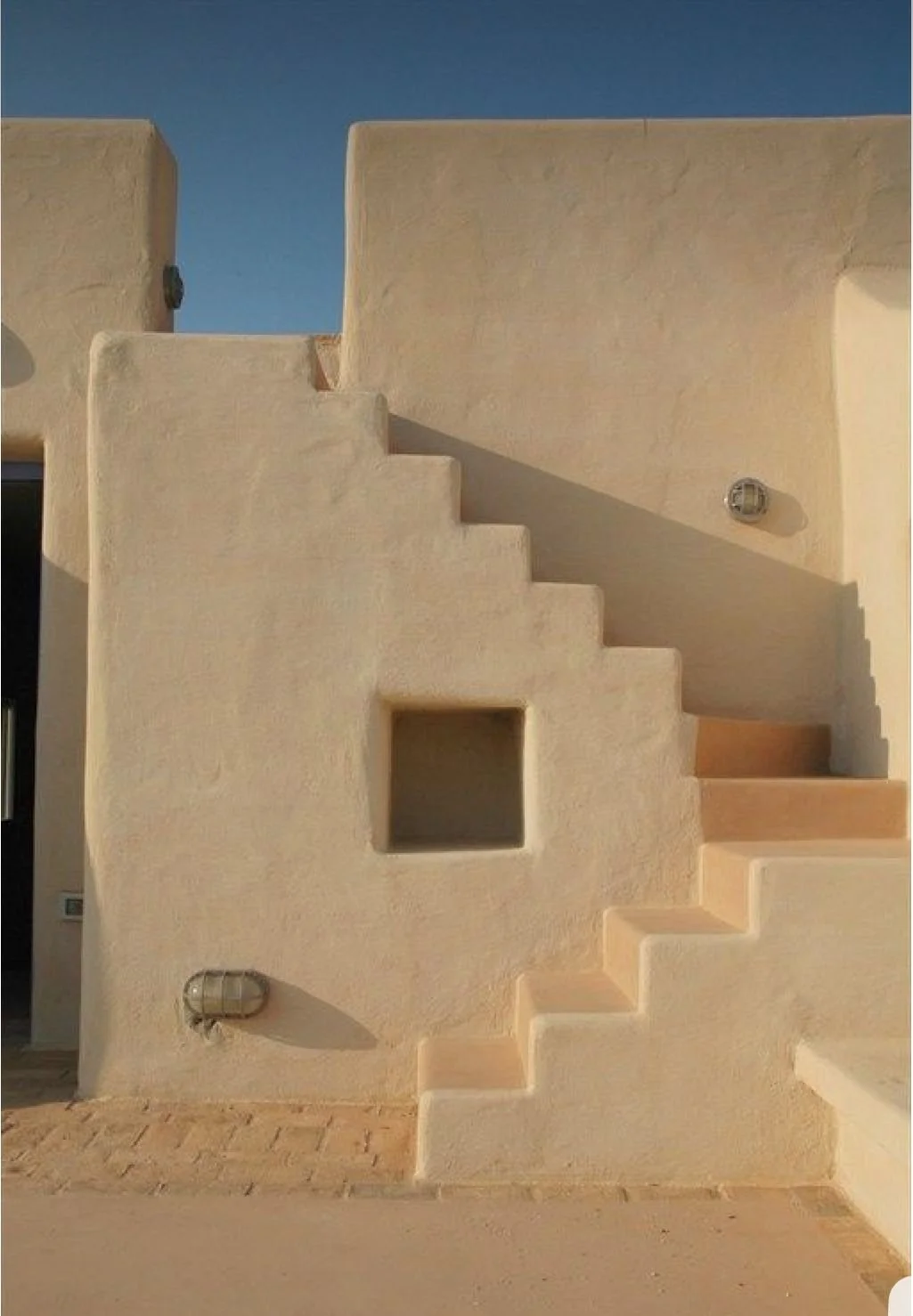
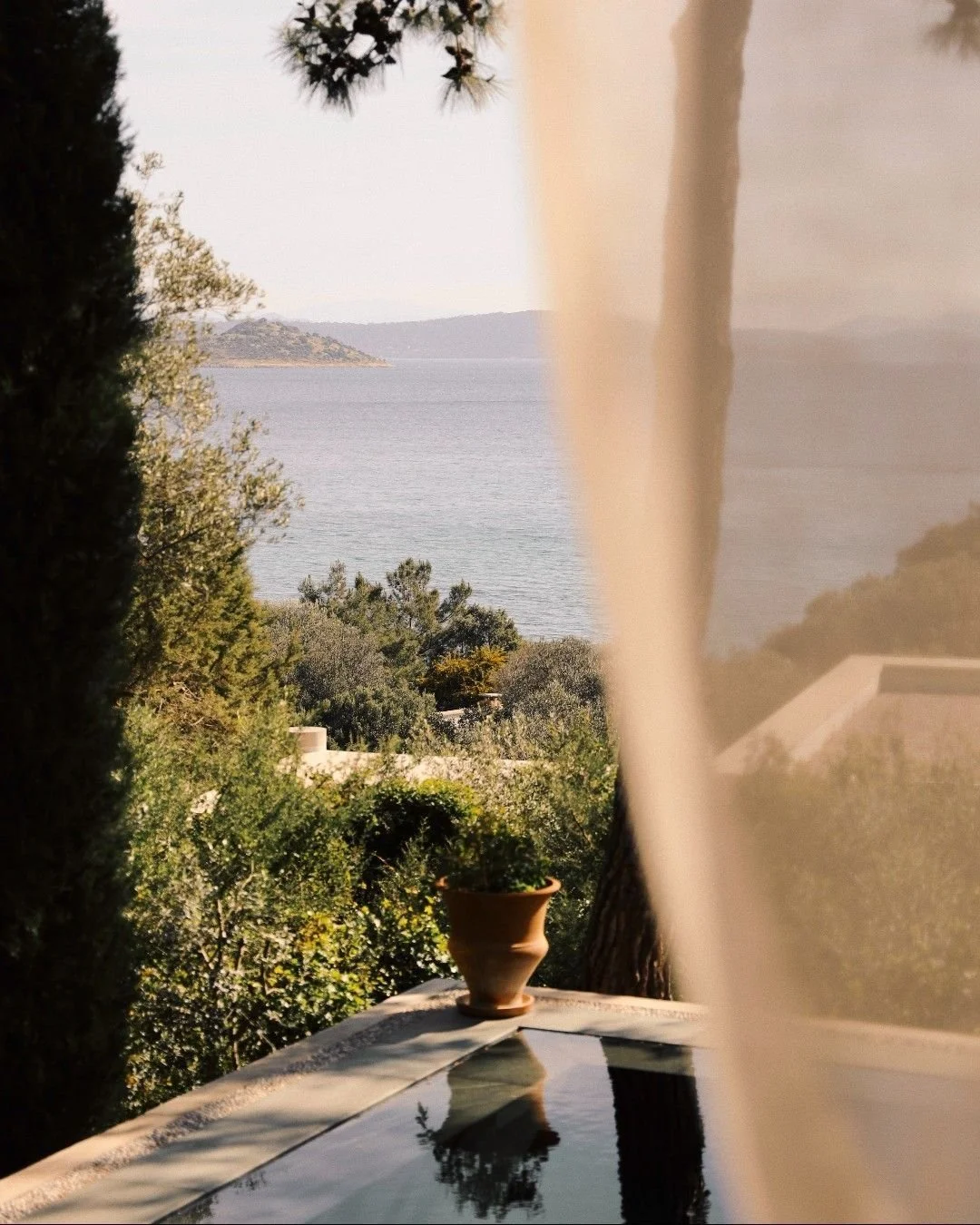
There is also something timeless about the Mediterranean way of living that continues to resonate with me. These interiors are rarely designed around excess or constant novelty. Instead, they embrace permanence, such is the case of natural materials that improve with age or objects chosen slowly and kept for years.
As a Portuguese woman, I also believe proximity to the sea shapes the emotional language of the spaces we create. The Atlantic and Mediterranean landscapes both carry a strong sensory presence which influences how a home feels emotionally, even when it is subtle.
That is why I often describe interiors as atmospheric rather than decorative. The goal is never simply to create a beautiful image, but to shape spaces that regulate emotion, slow the nervous system and reconnect people with a quieter way of living.
Today, Mediterranean interior design continues to evolve, but its essence remains the same. It is not a trend defined by a singular look, but a sensibility rooted in materiality, craftsmanship, light and emotional ease. Whether in Southern Spain, Portugal, Greece, Morocco or Italy, the spaces that endure always seem to share the same quality: they feel lived, grounded and deeply connected to place.
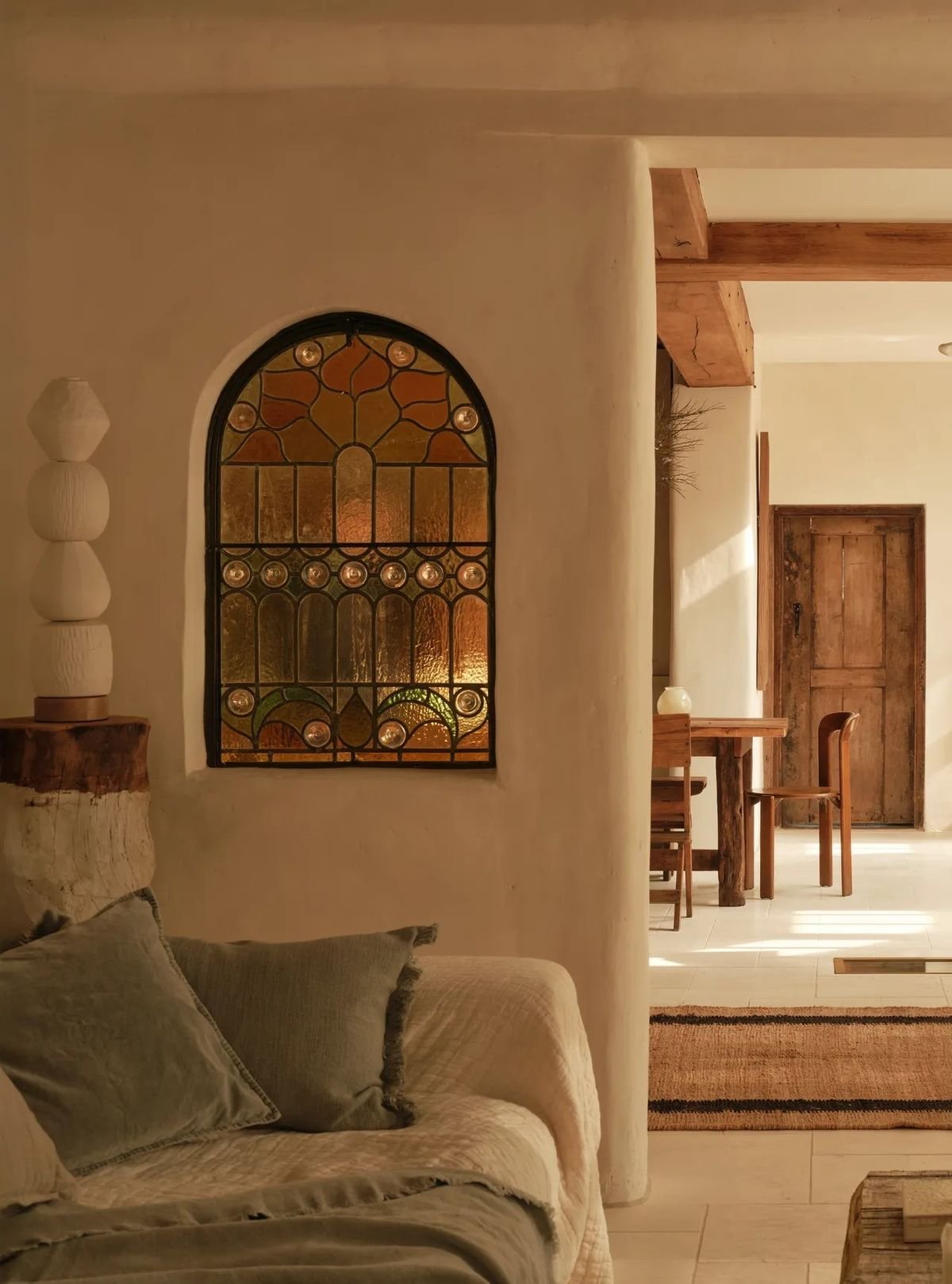
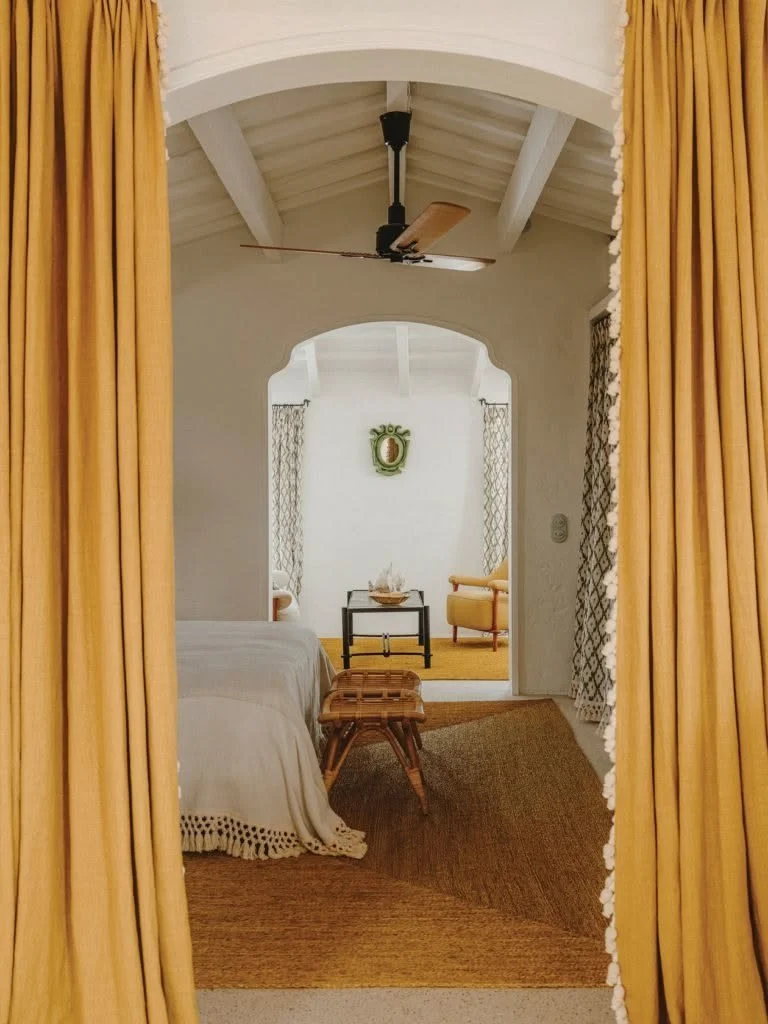
Perhaps that is why these interiors continue to resonate so strongly.
In a culture increasingly shaped by speed, noise and visual overload, Mediterranean spaces remind us that beauty can still come from simplicity, tactility and atmosphere. They remind us that a home does not need to impress loudly to stay with us forever.